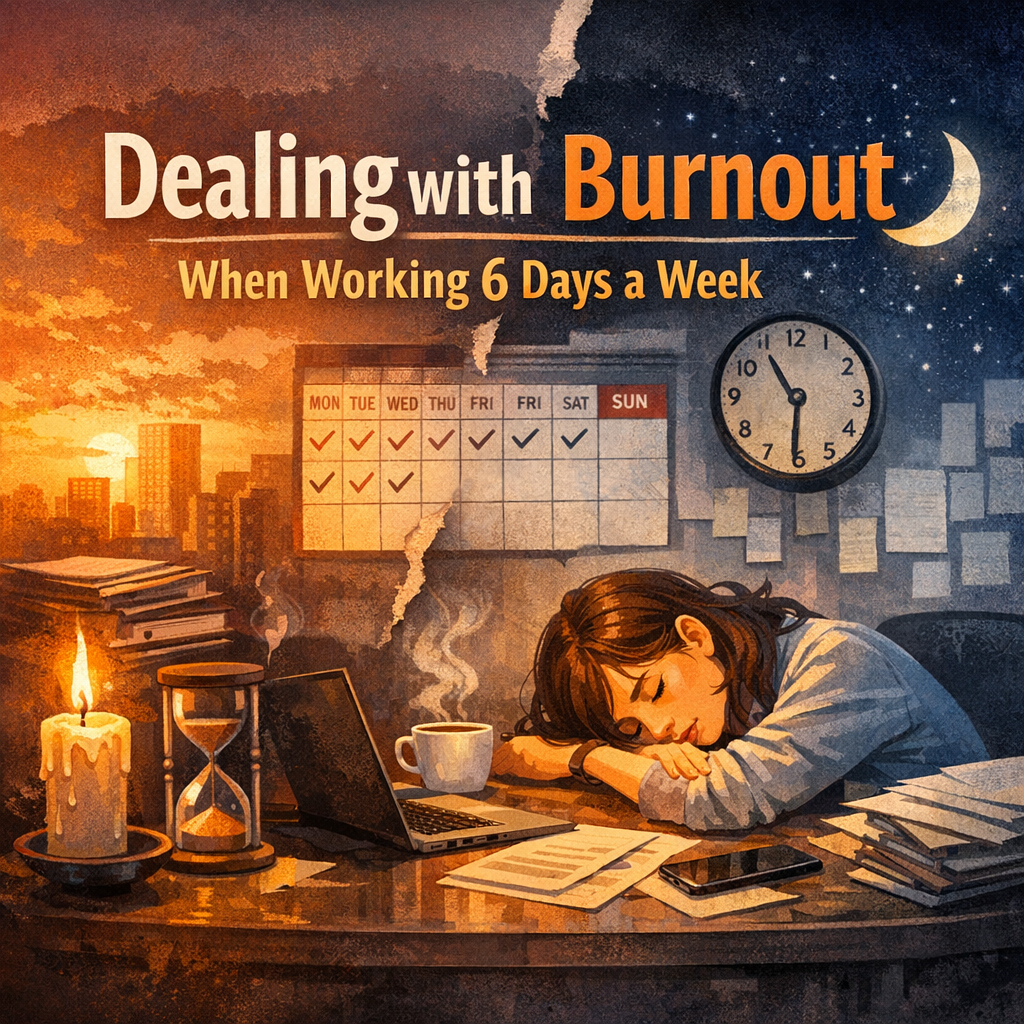
Why Your Mind Feels Foggy and What It Means
There are days when your mind just won’t cooperate. You wake up feeling foggy, your thoughts move slowly, and even simple tasks feel harder than they should. You try the usual fixes—going for a walk, grabbing a good meal—but the haze lingers. If this sounds familiar, you’re not alone. Mental fog is a common experience, especially in a fast-paced, always-on world.
This article explores why that “numb” feeling happens, what might be causing your brain fog, and most importantly, what you can actually do to clear it. You’ll learn practical strategies, mindset shifts, and simple daily habits that can help you feel sharper, more present, and more in control of your mental energy.
Understanding Mental Fog: What’s Really Going On
Mental fog isn’t a medical diagnosis on its own, but it’s a widely reported experience. People describe it as forgetfulness, lack of clarity, low focus, or even emotional numbness. While occasional brain fog is normal, frequent episodes may signal something deeper.
Common causes include stress, poor sleep, burnout, dehydration, and even overstimulation from constant digital input. When your brain is overloaded, it essentially “slows down” as a protective mechanism. Think of it like a computer running too many programs at once—it doesn’t crash immediately, but it becomes sluggish.
Burnout is one of the biggest contributors. When you're mentally exhausted over a long period, your brain struggles to maintain clarity. As one thoughtful perspective puts it: you can’t change the past, and you can’t control the future. When your mind constantly tries to do both, it drains your present energy.
An infographic here could help illustrate common causes of brain fog and how they interconnect.
How Stress and Overthinking Drain Your Focus
The Role of Stress and Overthinking
One major driver of mental fog is chronic stress. When your mind is constantly cycling through worries, regrets, or “what if” scenarios, it uses up cognitive resources that would otherwise support focus and clarity.
For example, imagine someone who spends hours replaying past conversations or worrying about upcoming deadlines. Even if they’re physically resting, their brain is still working overtime. This leads to that familiar numb, drained feeling.
Letting go of what you can’t control is more than just advice—it’s a cognitive reset. Practicing presence doesn’t mean ignoring responsibilities; it means narrowing your attention to what you can actually act on right now.
A simple step-by-step method to reduce overthinking could look like this:
1. Notice when your thoughts drift to the past or future.
2. Pause and label the thought (“This is worry” or “This is rumination”).
3. Redirect your focus to a current task, even something small.
4. Repeat consistently until it becomes a habit.
A visual flowchart here could help readers understand this mental redirection process.
The Physical Foundations of Mental Clarity
Physical Habits That Sharpen Mental Clarity
Your brain is part of your body, and its performance depends heavily on physical health. While going for a walk or eating well are great starts, consistency and variety matter.
Sleep is perhaps the most critical factor. Studies show that even mild sleep deprivation can significantly impair attention and memory. If you’re getting less than 6–7 hours regularly, brain fog is almost inevitable.
Nutrition also plays a key role. Diets high in processed foods and sugar can lead to energy crashes, while balanced meals with protein, healthy fats, and complex carbohydrates support steady brain function.
Movement is another powerful tool. Regular exercise increases blood flow to the brain and releases chemicals that improve mood and focus. Even a 10-minute walk can make a noticeable difference.
A chart comparing the effects of sleep, diet, and exercise on cognitive function would be useful here.
Managing Digital Overload and Mental Stimulation
Digital Overload and the Need for Mental Space
Modern life bombards us with information. Notifications, social media, emails, and endless scrolling can overwhelm the brain, leaving little room for rest or deep thinking.
This constant stimulation can create a paradox: even when you’re doing nothing important, your brain never truly relaxes. Over time, this leads to mental fatigue and that “numb” feeling.
Creating intentional breaks from screens can help reset your mind. This doesn’t mean eliminating technology entirely, but rather using it more consciously.
For instance, setting specific times to check your phone instead of reacting to every notification can reduce cognitive clutter. Similarly, dedicating time to offline activities—reading, journaling, or simply sitting quietly—gives your brain a chance to recover.
An image showing “high stimulation vs. low stimulation activities” could reinforce this idea.
Simple Actions to Regain Focus and When to Seek Help
Practical Tips to Clear Brain Fog
If you’re dealing with mental fog right now, here are some actionable strategies you can try immediately:
Start small. Trying to overhaul your entire lifestyle at once can be overwhelming. Instead, pick one or two habits to focus on first.
Stay hydrated. Dehydration is a surprisingly common cause of fatigue and poor concentration.
Use the “two-minute rule.” If something takes less than two minutes, do it immediately. This reduces mental clutter and builds momentum.
Break tasks into smaller steps. Large tasks can feel overwhelming, which contributes to mental shutdown. Smaller steps make progress feel manageable.
Practice mindfulness or breathing exercises. Even five minutes of focused breathing can calm your nervous system and improve clarity.
Limit multitasking. Contrary to popular belief, multitasking reduces efficiency and increases mental fatigue. Focus on one task at a time.
Get sunlight early in the day. Natural light helps regulate your circadian rhythm, improving both mood and focus.
A bullet-point list format could be especially helpful in this section for quick readability.
When to Take It Seriously
Occasional brain fog is normal, but persistent or severe symptoms shouldn’t be ignored. If your mental clarity doesn’t improve despite lifestyle changes, it may be worth consulting a healthcare professional.
Conditions like anxiety, depression, thyroid issues, or nutritional deficiencies can all contribute to cognitive symptoms. Addressing the root cause is essential for long-term improvement.
Conclusion
Mental fog can feel frustrating and even discouraging, but it’s often your mind’s way of signaling that something needs attention—whether it’s rest, balance, or a shift in focus. By understanding the causes and making small, consistent changes, you can gradually regain clarity and energy.
Remember, you don’t need to solve everything at once. Focus on what’s in front of you, take care of your body, and give your mind the space it needs to reset. Over time, those small steps can make a big difference.
References and Further Reading
For readers interested in exploring this topic further, consider looking into resources on stress management, sleep science, and mindfulness practices. Books like “Why We Sleep” by Matthew Walker and “The Power of Now” by Eckhart Tolle provide deeper insights into mental clarity and presence.
Websites such as the National Institute of Mental Health (NIMH) and Harvard Health Publishing also offer reliable, research-backed information on cognitive health and well-being.
Taking control of your mental clarity isn’t about perfection—it’s about awareness, consistency, and giving yourself the support you need to function at your best.