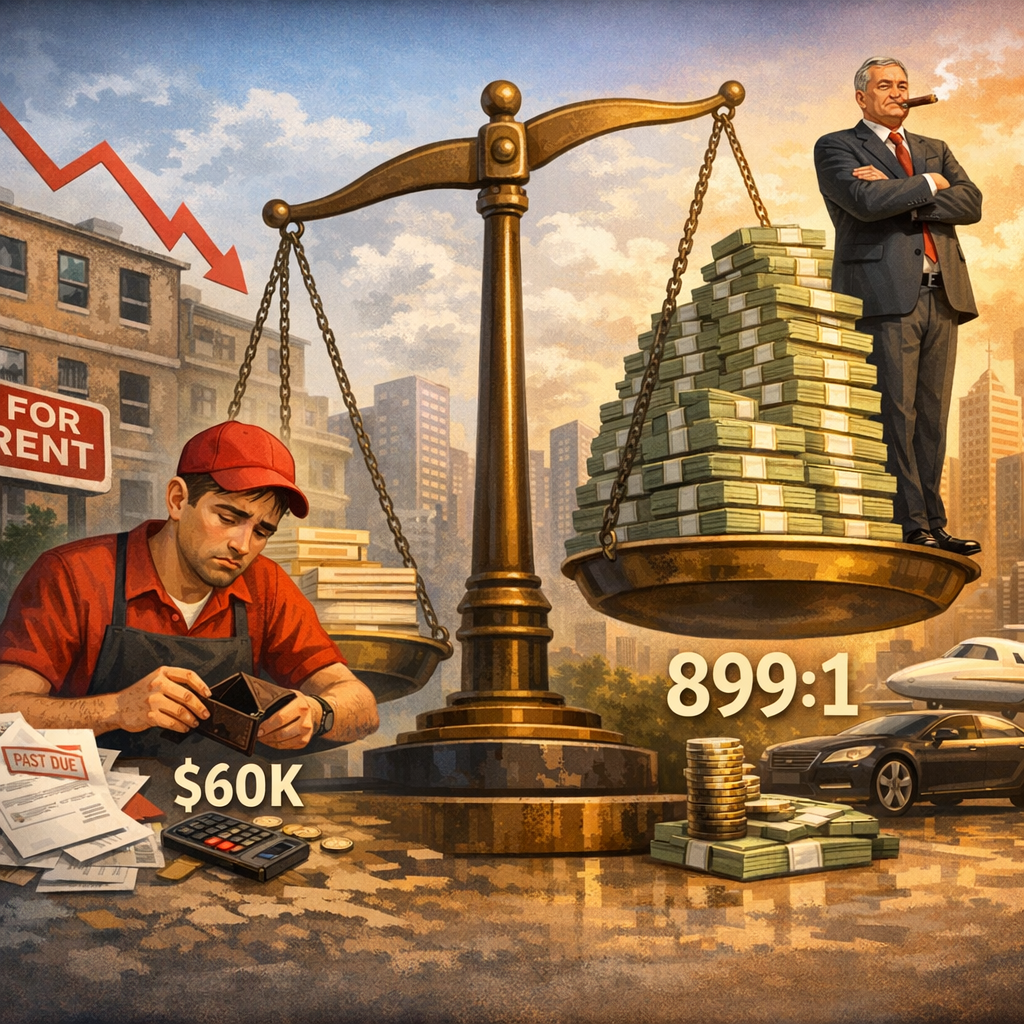
A Growing Gap Between Wages and Living Costs
Across the United States, a quiet but deeply consequential shift is unfolding: workers are earning less—at least in real terms—while the cost of simply living continues to climb. Recent data shows that the average median pay for a group of 20 firms dropped by 4.6 percent, falling from $30,474 (in 2024 dollars) to $29,087. Even more striking, every one of these firms reported median pay below $59,600—the estimated income needed to comfortably afford the average rent for a two-bedroom apartment in the U.S. This gap between wages and living costs is more than just a statistic; it reflects a growing affordability crisis affecting millions of households.
In this article, we’ll explore what these numbers really mean, why wages are failing to keep pace with housing costs, and what can be done—both at the individual and policy level—to address the issue. You’ll also find practical strategies for navigating this challenging financial landscape.
Understanding Wage Decline in Real Terms
The 4.6 percent drop in median pay may seem modest at first glance, but in real terms, it represents a significant loss in purchasing power. When adjusted for inflation, workers are effectively earning less than they did before, even if their nominal salaries appear stable.
This decline becomes especially concerning when paired with the rising cost of housing. The benchmark income of $59,600—needed to afford a typical two-bedroom rental—serves as a stark comparison point. With all 20 firms reporting median pay below that threshold, it’s clear that a substantial portion of the workforce is priced out of standard housing.
A useful visual aid here would be a line chart comparing median wages against average rent over time, illustrating how the gap has widened year by year.
Real-life examples make this even clearer. Consider a worker earning $29,000 annually. After taxes, that might leave roughly $2,000 per month. If average rent for a two-bedroom apartment is around $1,500, that leaves little room for food, transportation, healthcare, or savings. The margin for error becomes dangerously thin.
Why Wages Lag Behind Rising Costs
Several structural factors contribute to stagnant or declining real wages. One major issue is the imbalance between labor supply and demand in certain sectors. Many of the firms reporting low median pay operate in industries like retail, hospitality, and logistics—fields that often rely on large workforces and offer limited wage growth.
At the same time, productivity gains have not translated into higher wages for workers. While companies may be generating more value, that wealth is not evenly distributed. Instead, a larger share often goes toward executive compensation or shareholder returns.
Inflation also plays a critical role. Even when wages increase slightly, rising costs for essentials—especially housing—can outpace those gains. This creates a scenario where workers feel like they’re falling behind despite working just as hard, or harder, than before.
An infographic could be helpful here to break down the contributing factors: inflation, housing shortages, wage stagnation, and industry-specific dynamics.
The Housing Affordability Challenge
Housing is at the center of this issue. Over the past decade, rent prices have surged in many parts of the country due to a combination of limited supply, increased demand, and rising construction costs.
The standard guideline suggests that individuals should spend no more than 30 percent of their income on housing. For someone earning $29,087 annually, that would mean about $727 per month. In most urban and even many suburban areas, finding a two-bedroom apartment at that price point is nearly impossible.
This mismatch forces difficult choices. Workers may:
• Take on roommates or live in overcrowded conditions
• Move farther from job centers, increasing commute times and costs
• Sacrifice other necessities like healthcare or savings
• Accumulate debt to cover basic living expenses
A map showing regional rent variations could help readers understand how affordability differs across the country.
Wider Economic Effects and Individual Strategies
The gap between wages and living costs doesn’t just affect individuals—it has ripple effects throughout the economy. When workers spend a larger share of their income on rent, they have less to spend elsewhere. This reduces consumer demand, which can slow economic growth.
There are also social implications. Housing instability can lead to increased stress, poorer health outcomes, and reduced educational opportunities for children. Communities may experience higher turnover rates as residents are forced to relocate frequently in search of affordable living arrangements.
Employers are not immune to these effects either. Companies may struggle to attract and retain workers if wages are insufficient to support a basic standard of living in their area. This can lead to higher turnover costs and reduced productivity.
While systemic change is necessary, there are steps individuals can take to better navigate the current landscape.
Start by conducting a detailed budget analysis. Understanding exactly where your money goes each month can help identify areas for adjustment. A simple table outlining income versus expenses can be a powerful tool for clarity.
Next, explore housing alternatives. This might include shared housing, negotiating rent, or considering nearby areas with lower costs. Even a short move can sometimes result in meaningful savings.
Investing in skill development is another important step. Higher-paying roles often require specialized skills, and online courses or certifications can open new opportunities. While this requires time and sometimes money upfront, it can lead to long-term income growth.
Additionally, take advantage of available assistance programs. Many local and federal initiatives offer support for housing, utilities, and food. These resources can provide temporary relief while you work toward greater financial stability.
A step-by-step guide for budgeting or finding affordable housing resources could be especially helpful here.
Paths Toward Long-Term Solutions
Addressing this issue on a larger scale requires coordinated efforts from policymakers, businesses, and communities. Increasing the minimum wage, expanding affordable housing initiatives, and incentivizing the construction of lower-cost units are all potential strategies.
Employers can also play a role by offering more competitive wages, benefits, and flexible work arrangements. Some companies are already experimenting with location-based pay adjustments to better align salaries with local living costs.
Public-private partnerships may be particularly effective. By combining government funding with private sector expertise, it’s possible to accelerate the development of affordable housing and create more sustainable solutions.
A flowchart illustrating how different stakeholders—government, employers, and individuals—interact in addressing the issue could add clarity.
The decline in median pay, coupled with rising housing costs, highlights a growing disconnect between earnings and basic living expenses in the United States. With all 20 firms reporting median wages below the income needed to afford a typical two-bedroom apartment, the challenge is both widespread and urgent.
Understanding the underlying causes—from wage stagnation to housing shortages—is the first step toward meaningful change. While individuals can take practical steps to manage their finances and improve their earning potential, broader systemic solutions are essential to close the gap.
This is not just an economic issue; it’s a quality-of-life issue that affects communities, businesses, and the future of the workforce. Addressing it will require awareness, action, and collaboration across all levels of society.
References and Further Reading
For readers interested in exploring this topic further, consider reviewing reports from the U.S. Bureau of Labor Statistics, the National Low Income Housing Coalition’s annual “Out of Reach” report, and analyses from the Federal Reserve on wage growth and inflation.
Additional resources include housing affordability tools and calculators available through nonprofit organizations, as well as local government websites that list assistance programs and housing initiatives.