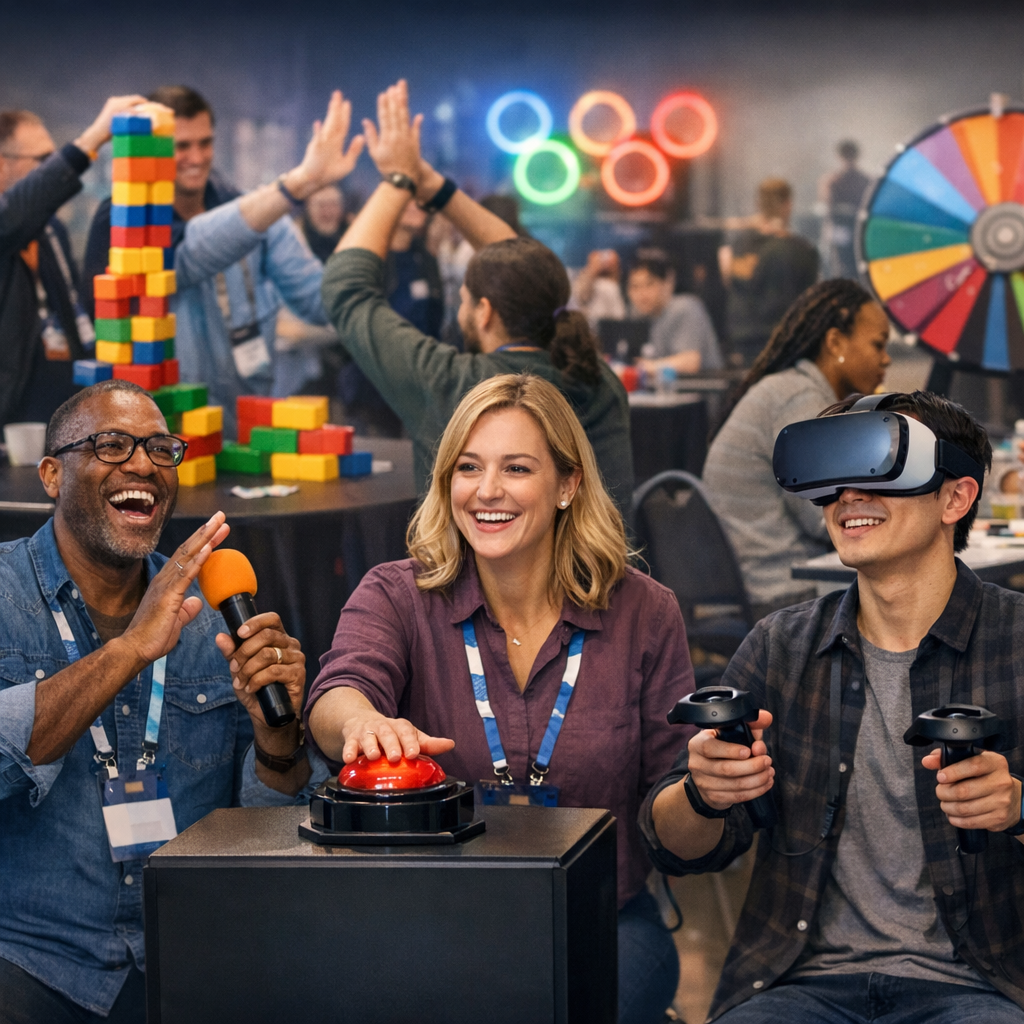
The Power of Engagement in Event Experiences
Walk into any conference and you can feel it almost immediately: the difference between an event people attend and an event people experience. The most memorable events don’t just deliver information—they create energy, spark connections, and give attendees something to talk about long after they’ve gone home. That magic doesn’t happen by accident. It’s the result of thoughtful, creative attendee engagement.
If you’ve ever wondered how to keep attendees actively involved (and genuinely having fun), you’re not alone. Event planners everywhere are asking the same question—and experimenting with increasingly inventive answers. In this article, we’ll explore why engagement matters, break down several standout activity ideas from real events, and show you how to design experiences that people actually want to participate in.
Whether you’re planning a conference, networking event, or trade show, you’ll walk away with practical strategies and inspiration you can adapt right away.
Engagement isn’t just a “nice-to-have”—it directly impacts how attendees perceive the value of your event. According to event industry research, interactive experiences increase knowledge retention, satisfaction, and likelihood of return attendance. In other words, when people participate, they remember—and they come back.
Passive audiences tend to disengage quickly, especially in full-day or multi-day events. But when attendees are given a reason to move, interact, or play, the atmosphere shifts. Conversations happen more naturally, networking feels less forced, and the event becomes immersive rather than transactional.
This is where well-designed engagement activities shine. They act as social catalysts, helping attendees break the ice, explore the space, and connect with both brands and each other.
(Suggested visual: A side-by-side comparison graphic showing passive vs. interactive event experiences.)
Gamification in Action
One of the most effective ways to drive engagement is through gamification—adding game mechanics like challenges, rewards, and competition to the attendee experience.
A great example is Event Badge Bingo, seen at Amazon Adminz Vendor Con. Attendees received bingo cards printed on the backs of their badges, with each square representing an exhibitor. To complete the card, they visited booths and collected stickers, eventually earning a raffle entry.
This simple concept accomplishes several goals at once. It increases exhibitor traffic, gives attendees a clear activity to follow, and adds a sense of accomplishment and fun. It also subtly encourages conversations that might not have happened otherwise.
Another creative twist on gamification is Music Video Bingo, featured at MPI WI Spring Education Day. A DJ played short clips of music videos across genres, and attendees marked their cards when they recognized a song. Because the song titles were announced, the game remained inclusive—even for those less familiar with certain genres.
What makes these activities successful is their accessibility. They don’t require special skills or prior knowledge, and they allow attendees to jump in at any time.
(Suggested visual: A sample bingo card layout with branding elements.)
Making Networking Feel Natural and Fun
Let’s be honest: traditional networking can feel intimidating or forced. That’s why structured, activity-based networking has become such a powerful tool.
At NACE Evolve, organizers introduced a Personality Quiz Networking experience. Upon arrival, attendees completed a Buzzfeed-style quiz that assigned them a themed badge ribbon. Participants were then grouped with others who shared their result and guided through mini challenges like connecting on LinkedIn or taking a selfie together.
This approach works because it removes the pressure of initiating conversation. Instead of asking, “Who should I talk to?” attendees are given a built-in reason to engage—and a shared identity to bond over.
Similarly, the “Build Your Taco” Networking Game at a NACE Madison chapter event added a playful twist. Each attendee received a colored dot and a card representing taco ingredients. To “build” their taco, they had to find and interact with people wearing specific colors and collect signatures.
The brilliance of this idea lies in its simplicity. It transforms networking into a mission, making interactions feel purposeful rather than random. As a bonus, attendees leave with a completed card—a ready-made list of new connections to follow up with.
(Suggested visual: Flowchart showing how attendees move through a structured networking activity.)
Designing Activities That Truly Engage
Not every engagement idea translates into a successful experience. The difference often comes down to design and execution. The best activities share a few key characteristics.
First, they are easy to understand. If attendees need lengthy instructions, they’re less likely to participate. Clear, intuitive rules are essential.
Second, they are inclusive. Activities should accommodate different personalities, energy levels, and backgrounds. For example, adding song titles in Music Video Bingo ensured everyone could participate, not just music experts.
Third, they provide incentives. Whether it’s a raffle prize, recognition, or simply the joy of completion, people are more likely to engage when there’s a reward.
Finally, they align with event goals. A great activity isn’t just fun—it supports networking, exhibitor engagement, or learning outcomes.
If you’re designing your own engagement activity, a simple step-by-step approach can help:
Start by defining your goal—what behavior do you want to encourage? Then choose a format, such as a game, challenge, or collaborative task. Next, map out the participant journey from start to finish, ensuring it’s seamless and intuitive. Finally, test the experience with a small group before launching it at your event.
(Suggested visual: Step-by-step infographic for creating an engagement activity.)
Turning Engagement into Lasting Impact
If you’re looking to elevate your event experience, a few practical strategies can make a big difference.
Keep activities visible and well-promoted. If attendees don’t know something is happening, they won’t participate. Signage, announcements, and app notifications can help.
Train your staff and volunteers to guide participation. A friendly nudge or quick explanation can turn hesitation into involvement.
Offer tiered incentives. Small rewards for participation and larger prizes for completion can motivate a wider range of attendees.
Incorporate social sharing. Encourage attendees to post photos or updates tied to your activity—this extends engagement beyond the event floor.
Gather feedback afterward. Ask attendees what they enjoyed and what could be improved. This insight is invaluable for refining future experiences.
For clarity, this section could be enhanced with a bullet-point checklist or a quick-reference table comparing different activity types and their benefits.
At their best, events are more than schedules and sessions—they’re shared experiences. Thoughtful engagement activities transform passive attendees into active participants, making events more dynamic, memorable, and impactful.
From gamified experiences like Event Badge Bingo to creative networking concepts like personality quizzes and themed challenges, the possibilities are nearly endless. The key is to design with intention, prioritize inclusivity, and always keep the attendee experience front and center.
If you’re planning your next event, consider this your invitation to experiment. Try something unexpected. Add an element of play. You might just create the moment everyone remembers.
References and Further Reading
For those interested in exploring more about attendee engagement and event design, consider the following resources:
EventMB (Skift Meetings): Research and trends on event engagement strategies.
PCMA (Professional Convention Management Association): Insights into business events and attendee behavior.
MPI (Meeting Professionals International): Case studies and educational resources for event planners.
“The Experience Economy” by B. Joseph Pine II and James H. Gilmore: A foundational book on creating memorable experiences.
These resources provide deeper insights into the strategies and psychology behind successful event engagement, helping you take your planning to the next level.